Table of Contents
ToggleTiny mobile homes have moved from niche novelty to a genuine alternative for homeowners seeking affordability, flexibility, and simplicity. Whether you’re downsizing after retirement, entering the housing market for the first time, or just tired of maintaining unnecessary square footage, tiny mobile homes offer a practical path forward. Unlike traditional manufactured homes that stay rooted to one lot, many modern tiny mobile homes retain the flexibility to relocate if life circumstances change. This guide covers what defines a tiny mobile home, why they make financial and environmental sense, and how to design and maintain one for long-term comfort and functionality.
Key Takeaways
- Tiny mobile homes cost 40–60% less to own over 10 years than conventional housing, with entry-level units starting at $30,000–$50,000 new versus median home prices exceeding $430,000.
- A tiny mobile home typically ranges from 400–1,000 square feet and must meet HUD safety standards, with financing and zoning requirements varying based on whether the unit sits on a foundation or retains its chassis.
- Energy consumption and utility costs drop significantly in compact spaces, especially when paired with efficiency upgrades like solar panels, making tiny mobile homes an environmentally sustainable housing option.
- Maximize tiny mobile home interiors through multifunctional furniture, vertical storage, light colors, and open-plan layouts that eliminate dead zones like hallways.
- Regular maintenance—particularly roof inspections, foundation checks, annual leveling, and HVAC upgrades—is critical to prevent costly repairs and ensure long-term comfort in a tiny mobile home.
What Are Tiny Mobile Homes?
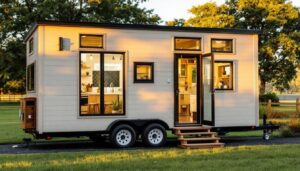
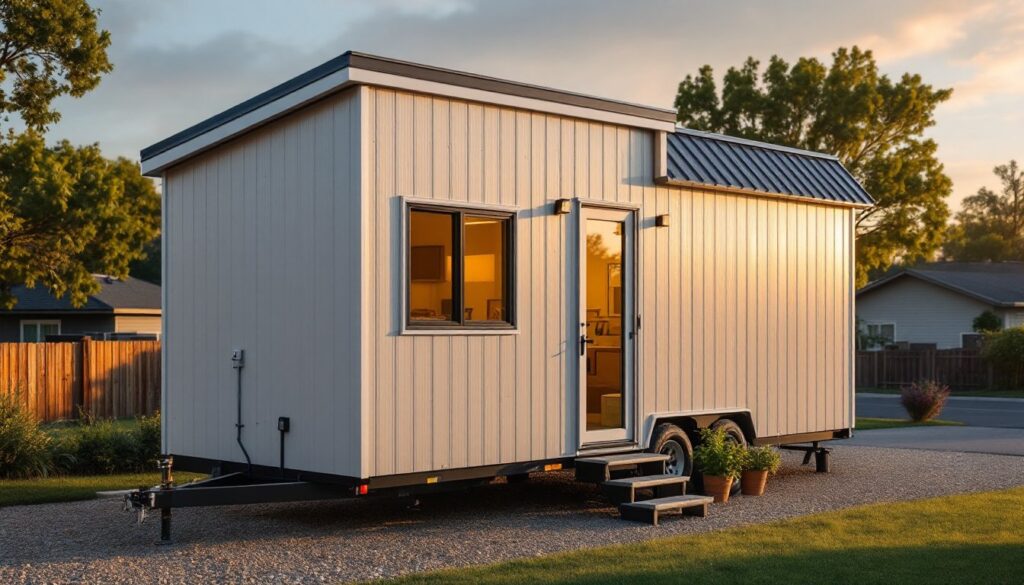
A tiny mobile home is typically defined as a single-family dwelling between 400 and 1,000 square feet built on a permanent chassis with wheels or a trailer frame. Unlike traditional RVs, they’re designed for stationary living and often sit on rented or owned lot space indefinitely. Many feature modern construction standards and can be permanently hitched to utilities, making them functionally similar to site-built homes.
The distinction matters for zoning and financing. Mobile homes built after 1976 must meet HUD (U.S. Department of Housing and Urban Development) standards, which cover structural integrity, fire resistance, and electrical safety. They’re registered with the state rather than titled as real estate in most jurisdictions. Some tiny mobile homes sit on foundations like traditional homes, while others retain their chassis for portability. Financing, insurance, and lot availability all hinge on which category yours falls into, so clarify these details before purchasing.
Benefits Of Downsizing To A Tiny Mobile Home
Financial Advantages And Affordability
The most immediate draw is cost. Entry-level tiny mobile homes start around $30,000–$50,000 new, while used units run $15,000–$35,000 depending on age and condition. Compare that to the median U.S. home price exceeding $430,000, and the gap becomes obvious. Beyond purchase price, monthly expenses shrink dramatically: heating and cooling a 600-square-foot space costs a fraction of a 2,000-square-foot house. Property taxes, if any, are typically lower since assessed values are smaller.
Lot rent is the wildcard. Community lot fees in RV parks or mobile home parks range from $300 to $1,000+ monthly depending on location and amenities. Urban markets command premiums: rural areas or purpose-built tiny home communities sometimes offer better rates. Utilities and insurance also drop compared to traditional homes. Over a 10-year span, total cost of ownership often comes in 40–60% below conventional housing in the same region.
Environmental Impact And Sustainable Living
Smaller square footage automatically reduces energy consumption. Heating, cooling, and powering a compact space requires fewer resources, and many owners pair tiny homes with solar panels or other efficiency upgrades without the prohibitive cost of retrofitting a large house. Water usage shrinks when there’s less space to maintain and fewer fixtures to run.
Construction waste decreases, too. Manufacturers build to tighter tolerances and use materials more efficiently than site-built homes. If you’re environmentally conscious, simple living strategies align naturally with tiny home living, less space forces intentional purchasing and decluttering. The lifestyle encourages quality over quantity, reducing overall consumption patterns.
Interior Design Tips For Maximizing Small Spaces
Limited square footage demands thoughtful layout. Multifunctional furniture is non-negotiable: a sofa bed, a storage ottoman, or a kitchen island with seating pulls double duty without wasting floor area. Vertical storage, tall shelving, wall-mounted cabinets, and overhead racks, keeps clutter off the floor and makes rooms feel larger.
Color and light matter more in compact homes. Light, neutral wall colors (soft whites, pale grays, warm beiges) reflect light and expand perceived space. A single accent wall or bold artwork adds personality without overwhelming tight quarters. Large windows and skylights amplify natural light, reducing reliance on artificial lighting and visually opening the space.
Layout should avoid dead zones. Hallways eat square footage: open-plan living (combining kitchen, dining, and living areas) works better in small footprints. Sliding doors instead of swing doors save clearance. Strategic mirrors bounce light and create illusion of depth. These principles aren’t new, but small space living ideas show how layers, texture, lighting, and intentional décor, transform cramped feels into cozy, functional homes.
Decluttering is relentless. A tiny home exposes poor purchasing habits immediately. Invest in quality over quantity, choose items with multiple uses, and commit to regular purges. Storage solutions like under-bed drawers, corner shelving, and built-ins maximize every inch. Custom cabinetry costs more upfront but pays dividends in usable space and organization.
Essential Upgrades And Maintenance For Mobile Home Owners
Mobile home ownership requires consistent upkeep. Roofs are common failure points: inspect annually for leaks, tears, or algae growth. Most metal roofs last 20–30 years, but rubber membrane roofs may need replacement every 15 years. Sealant around seams and penetrations (vents, chimneys, air conditioning units) must be refreshed every few years to prevent water intrusion.
Foundation and underpinning deserve attention. Blocks, piers, or concrete footings shift with seasonal frost heave and ground settling. Check for gaps, cracks, or separation annually. Properly graded soil and functioning gutters prevent water from pooling under the home, which rots support structures and invites pest damage.
Leveling impacts function and longevity. A mobile home that’s out of level stresses walls, doors, and plumbing. Most owners level annually using a long straightedge and shim material (wood blocks or adjustable foundation jacks). This isn’t a one-time install, seasonal movement is normal.
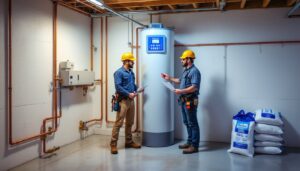
Interior systems, plumbing, electrical, HVAC, follow standard principles but in compact configurations. Water lines are shorter (faster hot water delivery, easier winterization), but every connection point is critical. Furnace or heat pump efficiency directly affects monthly heating costs: upgrading to a high-efficiency unit rated SEER 16+ or HSPF 10+ cuts energy bills noticeably, especially in cold climates.
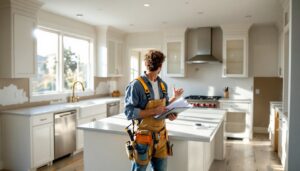
Updates like DIY furniture projects and paint tutorials help refreshen interiors affordably. Painting cabinets, upgrading fixtures, and insulating windows are approachable for confident DIYers. But, structural work, moving load-bearing walls, replacing roof trusses, or major electrical rewiring, demands licensed professionals. Always check local codes: many jurisdictions require permits for anything beyond cosmetic updates, even in mobile homes.
Conclusion
Tiny mobile homes aren’t for everyone, but they’re a valid, sensible choice for those willing to embrace constraint as a feature, not a limitation. The financial savings are real, the environmental footprint is smaller, and the lifestyle often shifts priorities toward experience and relationships rather than accumulation. Success hinges on honest assessment of space needs, commitment to maintenance, and realistic understanding of lot costs and zoning rules in your target location. Research financing options, inspect used units thoroughly, and connect with existing owners to learn from their experience. When chosen thoughtfully, a tiny mobile home delivers housing security and freedom that traditional ownership can’t match.